Introduction
Palmoplantar pustulosis (also known as palmoplantar pustulosis) is a chronic inflammatory skin condition characterized by the cyclical appearance of painful, itchy pustules and scaling on the palms and soles. Although this condition is not very common, it can significantly impact daily life: difficulty walking, discomfort using hands, pain and burning sensations, and visible skin changes can affect emotional well-being. With proper skin care, identifying triggers, and selecting an individualized treatment plan, symptoms can often be controlled, and the frequency of relapses reduced.
What is it?
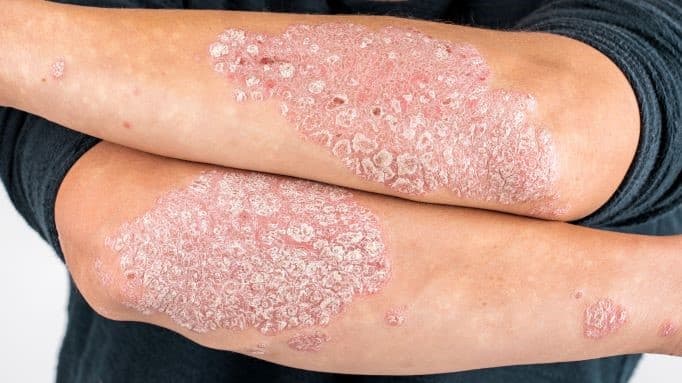
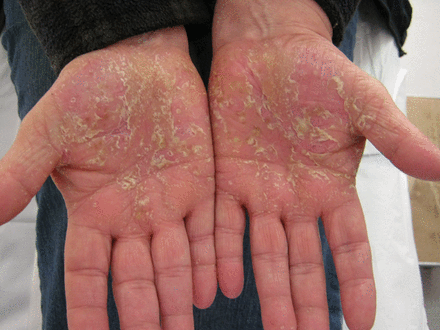
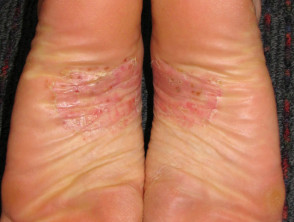
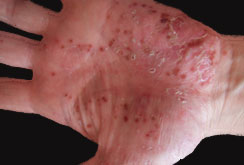
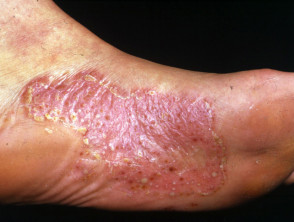
Palmoplantar pustulosis is an inflammatory skin disorder characterized by recurrent sterile (non-bacterial) pustules, vesicles, and redness on the palms and soles. The blisters can merge into larger lesions, later drying and forming yellowish crusts or thick scaling. Due to skin thickening (hyperkeratosis), painful cracks often occur, limiting daily activities.
This condition is classified under pustular dermatoses and may be associated with the spectrum of psoriasis in some individuals. However, palmoplantar pustulosis is non-contagious – it cannot be contracted through contact, in swimming pools, or via personal items.
Causes and Risk Factors
The exact cause of the disease is not fully known, but several factors have been identified that are associated with the development and relapses of pustulosis:
- Smoking. One of the most significant modifiable risk factors. Smoking is associated with more frequent and severe flare-ups. Quitting smoking is one of the most effective lifestyle steps for improvement.
- Gender and age. More common in women, with the most frequent onset in middle to older age.
- Genetic predisposition. Family history (close relatives with skin conditions, especially psoriasis) may increase the risk.
- Chronic infection sites. Prolonged tonsillitis, sinusitis, dental issues, and gum inflammation can maintain inflammation in the body and trigger relapses.
- Contact dermatitis. Some patients experience contact allergies (e.g., to metals), and irritants or allergens can worsen the condition.
- Skin barrier damage. Frequent hand washing with harsh agents, working in wet conditions, friction, and pressure increase the risk of flare-ups.
- Stress and lack of sleep. Psychological factors can be triggers for relapses.
- Factors affecting the immune system. Certain groups of medications or systemic conditions can influence the course of the disease (assessed individually by a physician).
Symptoms
The signs of palmoplantar pustulosis usually develop in waves – exacerbations and improvements alternate. The most common symptoms include:
- Sterile pustules and vesicles on the palms and/or soles, often grouped, can merge into larger areas.
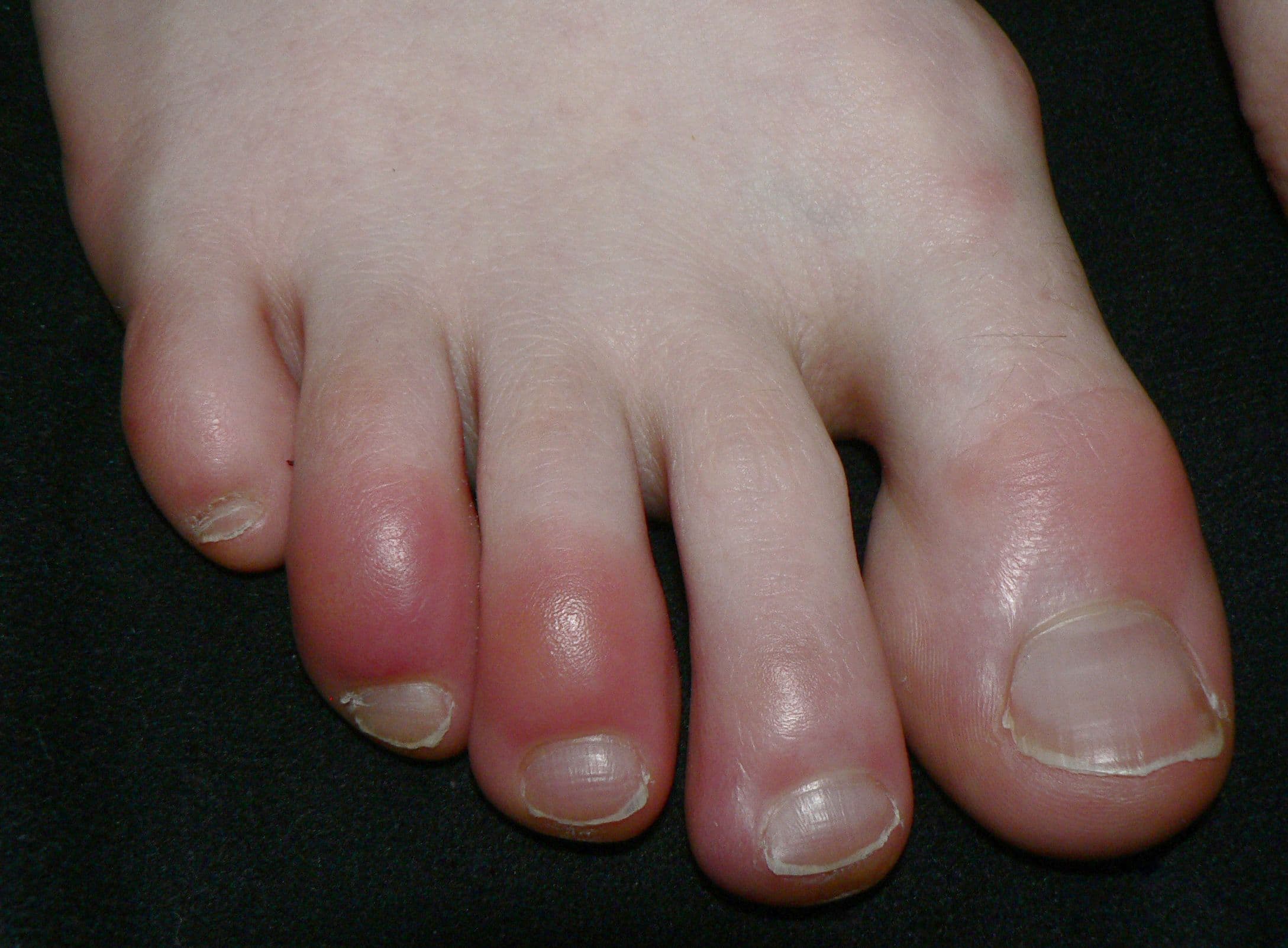
- Redness and warmth around the rashes, sometimes swelling.
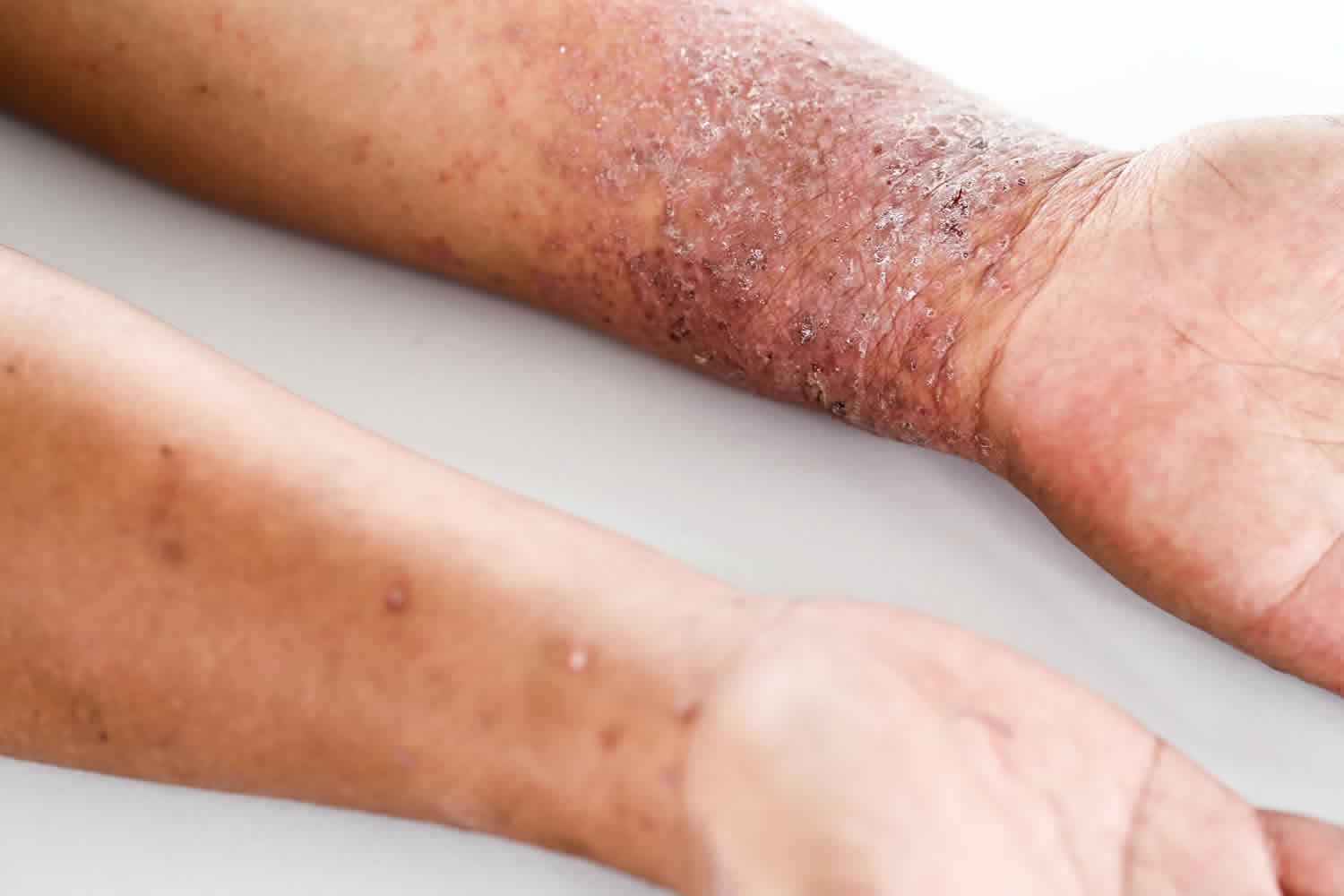
- Scaling and crusts after a few days, later leading to skin thickening (hyperkeratosis).
- Painful cracks (especially on the soles and fingertips), making walking and using hands difficult.
- Intense itching, burning, or tightness.
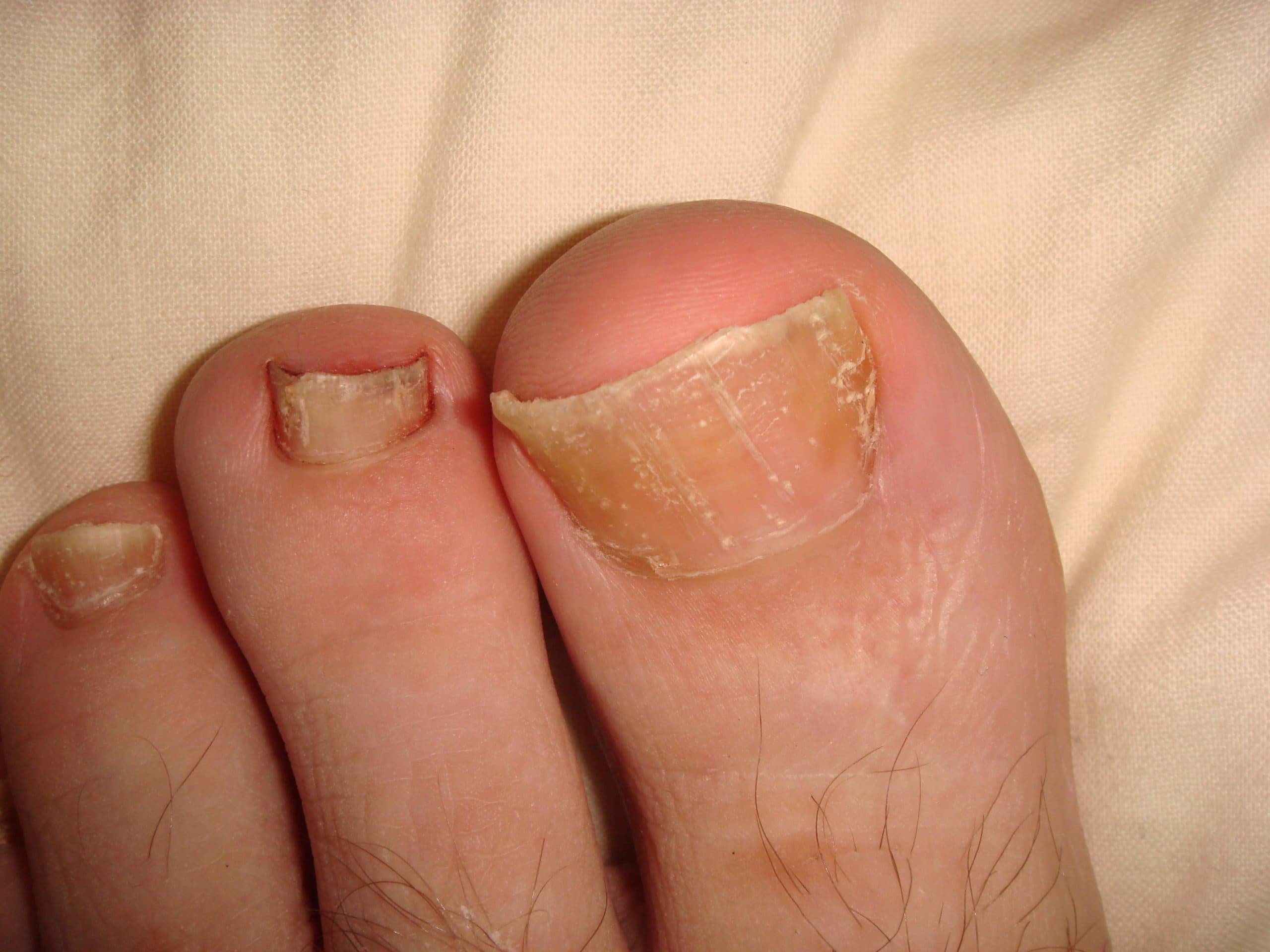
- Sometimes nail changes – thickening, brittleness of the nail plate, or color changes.
Exacerbations can be triggered by smoking, stress, contact with irritants, humid or warm environments, prolonged wearing of closed, non-breathable shoes.
When to See a Doctor?
It is worth consulting a dermatologist if:
- Symptoms interfere with daily tasks, walking, or sleeping.
- Rashes recur or spread despite home care.
- Signs of infection appear – severe pain, yellow purulent discharge, spreading redness, fever.
- You have chronic conditions (e.g., diabetes) or are pregnant and concerned about safe treatment.
- You are unsure about the diagnosis (similar symptoms can occur in other conditions, such as pompholyx, fungal infections).
Our iDerma clinic dermatologists help accurately diagnose, assess the severity of the disease, and select an individualized, scientifically-based treatment and care plan. We offer consultations both in-person and remotely, allowing for quick initiation of appropriate treatment and control of relapses.
Diagnosis
The diagnosis is usually made based on an interview and skin examination. The dermatologist assesses the distribution of rashes, cyclicality, skin barrier condition, and possible triggers. Additional tests are performed if needed:
- Skin scrapings – help rule out fungal infections when there are similar signs (especially on the soles).
- Swabs from affected areas – if a secondary bacterial infection is suspected.
- Patch tests – for diagnosing allergic contact dermatitis if a connection with metals or other irritants is suspected.
- Biopsy – in rare cases, to confirm the diagnosis and differentiate from other pustular dermatoses.
Associated conditions (e.g., inflammatory sites in the nasopharynx or mouth) are also evaluated, as their treatment can help reduce relapses.
ARTICLE_GIF
Treatment
Treatment of palmoplantar pustulosis is individualized and often complex. The goal is to alleviate exacerbations, restore the skin barrier, reduce pain, and prevent relapses. It is most effective when combining several methods:
- Daily skin care. Regular use of emollients, especially after washing and before bedtime, helps restore the skin barrier. Choose fragrance-free products for sensitive skin. Keratolytic agents may be applied to thickened skin (as recommended by a doctor) to reduce scaling and the risk of cracks.
- Topical anti-inflammatory agents. Prescribed during exacerbations and for maintenance treatment. Occlusion is often used to enhance the effect on thickened areas.
- Care for wounds and cracks. Protective dressings, emollient ointments, silicone heel inserts, or padding reduce pain when walking and promote healing.
- Phototherapy. Specialized light therapy can help reduce inflammation and the intensity of rashes. Courses are selected individually, considering skin type and disease activity.
- Systemic therapy. For severe, spreading, or treatment-resistant cases, systemic immune-modulating medications are considered. Decisions are made by evaluating the benefits and potential risks, with necessary monitoring tests.
- Trigger management. Quitting smoking, avoiding irritants, and treating chronic infection sites (tonsillitis, sinusitis, dental issues) are important parts of treatment.
Practical tip: Moisturize your skin several times a day, especially before physical activity or prolonged standing/walking; use protective gloves with cotton liners for household or work tasks; choose breathable footwear and moisture-wicking socks.
If you're unsure where to start, iDerma clinic dermatologists can help create a clear, step-by-step treatment plan tailored to your skin, work, and habits. Consultations are available both in-person and remotely, which is especially convenient during flare-ups or when time is limited.
Care and Prevention
Managing the condition involves not only medications or procedures but also daily habits. These steps help reduce the frequency of exacerbations:
- Quit smoking. This is one of the most important changes. Improvement is often not immediate – a sustainable effect may manifest over several months, but the benefits for skin and overall health are significant.
- Protect your skin at work and home. Use appropriate gloves when working with water, cleaners, or lubricants; choose mild, fragrance-free washing agents; moisturize your skin immediately after washing.
- Avoid contact with irritants and allergens. If you suspect certain substances (e.g., metals) worsen your skin condition, consider patch testing. Identifying an allergy and avoiding it diligently provides tangible benefits.
- Choose breathable footwear. Air-permeable shoes, moisture-wicking socks, and changing footwear during the day help reduce irritation caused by moisture and heat.
- Manage stress. Regular physical activity, quality sleep, and maintaining psychological health reduce stress that triggers relapses.
- Treat infections promptly. Controlling dental, gum, and nasopharyngeal infections can reduce inflammatory burden and improve skin condition.
- Monitor your triggers. Keep a brief "skin diary" – note when exacerbations occur, under what circumstances, and what products you used. This helps tailor care more accurately.
Frequently Asked Questions
- Is palmoplantar pustulosis contagious? No. The pustules are sterile, and the disease does not spread from person to person or through pools or objects.
- Is it the same as psoriasis? Palmoplantar pustulosis is associated with the psoriasis spectrum in some patients, but it is a separate condition. Diagnosis and associations are assessed by a dermatologist.
- What commonly triggers exacerbations? Smoking, contact with irritants, humid/warm conditions, frequent hand washing with harsh agents, stress, and inappropriate footwear.
- Can diet influence it? Although there is no specific "diet," a balanced, anti-inflammatory diet and a healthy lifestyle can positively affect overall skin condition. If you suspect food-related connections, consult your doctor.
- How long until treatment results are visible? Initial signs of improvement are often noticed within a few weeks of consistent treatment and care, but achieving stable results may take several months. Managing a chronic condition is a marathon, not a sprint.
- Can I exercise and go to the pool? Yes, if there is no active infection. Choose comfortable, breathable footwear and moisturize your skin after water exposure. If chlorine irritates, shorten your time in the water and use protective care afterward.
Conclusions
Palmoplantar pustulosis is a chronic but manageable skin condition. While exacerbations can be bothersome and limit daily activities, consistent treatment, smart care, and trigger management can reduce symptom intensity and the frequency of relapses. The sooner an accurate diagnosis is made and an individualized treatment and care plan is initiated, the better the long-term results and quality of life.