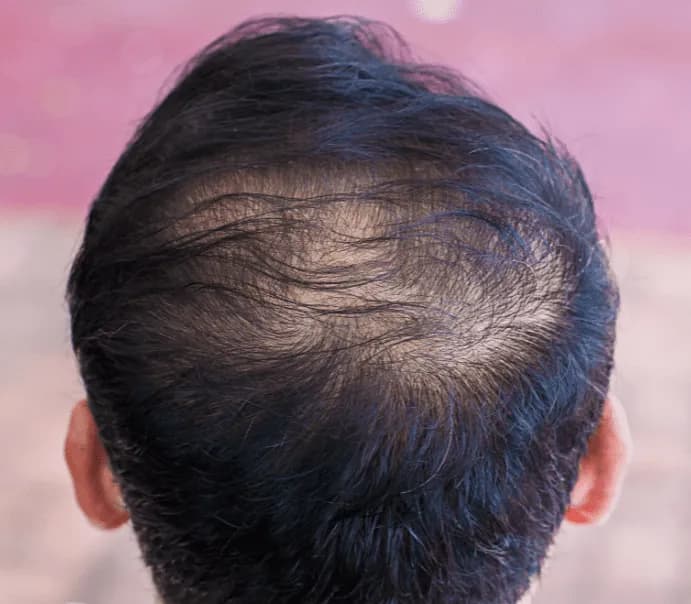
Hair Loss Treatment: Causes and Effective Methods
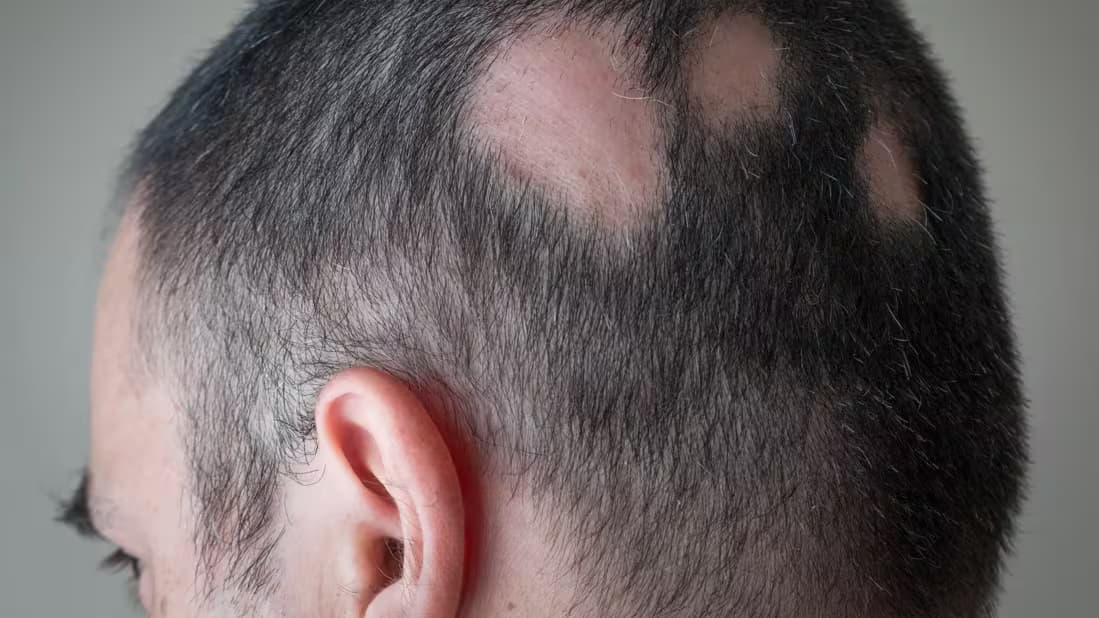
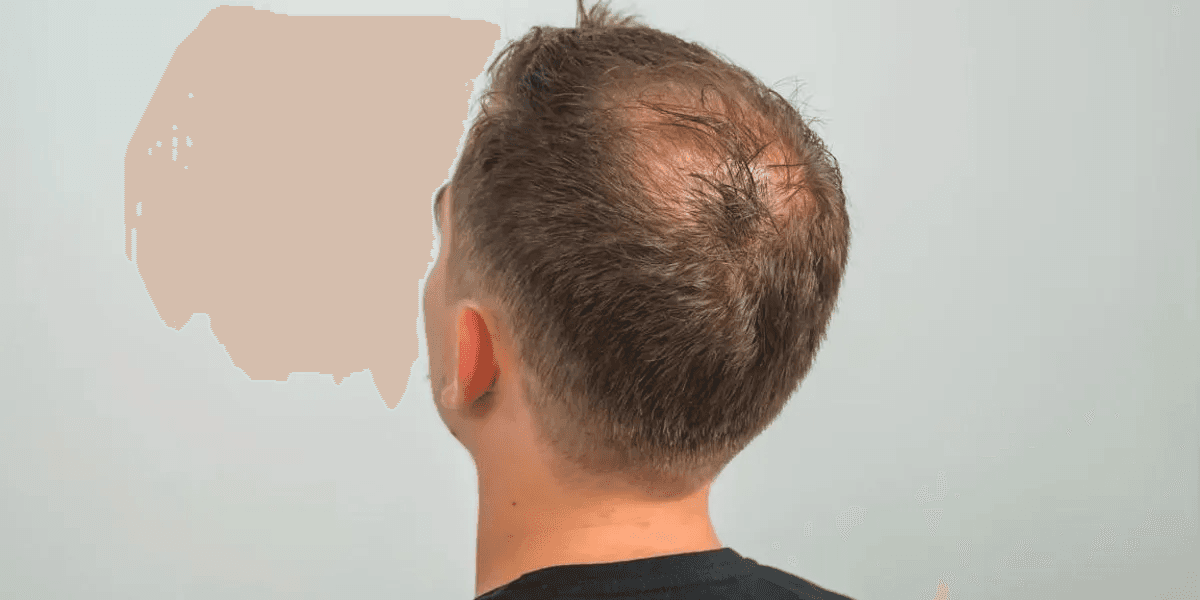
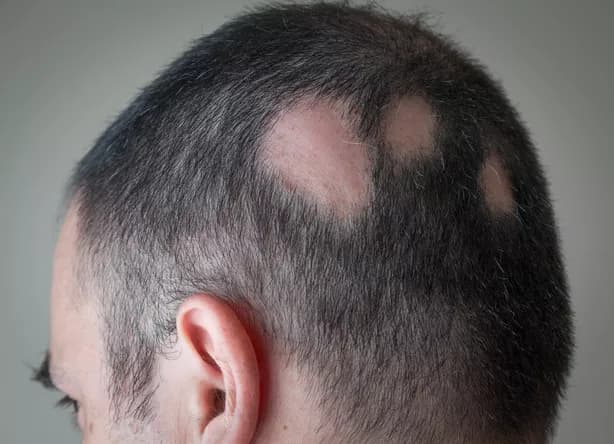
Hair loss is a fairly common issue in both women and men. This condition can negatively affect emotional well-being and interpersonal relationships, so it's important to identify the underlying causes and choose appropriate treatment.
Hair loss can be classified according to the phase of the hair growth cycle in which it occurs and the reason behind it:
-
anagenic
-
telogenic
-
androgenic
Anagenic hair loss (anagen effluvium)
During the anagen (growth) phase, hair usually starts falling out due to a toxic impact, so the main treatment approach is eliminating the harmful factor. In most cases, hair regrows naturally (e.g., after chemotherapy, usually within 3–6 months). To accelerate regrowth after chemotherapy, a prescription medication that can slow hair loss may be used either as a topical solution or in tablet form.
For prevention, scalp cooling during chemotherapy can be considered.
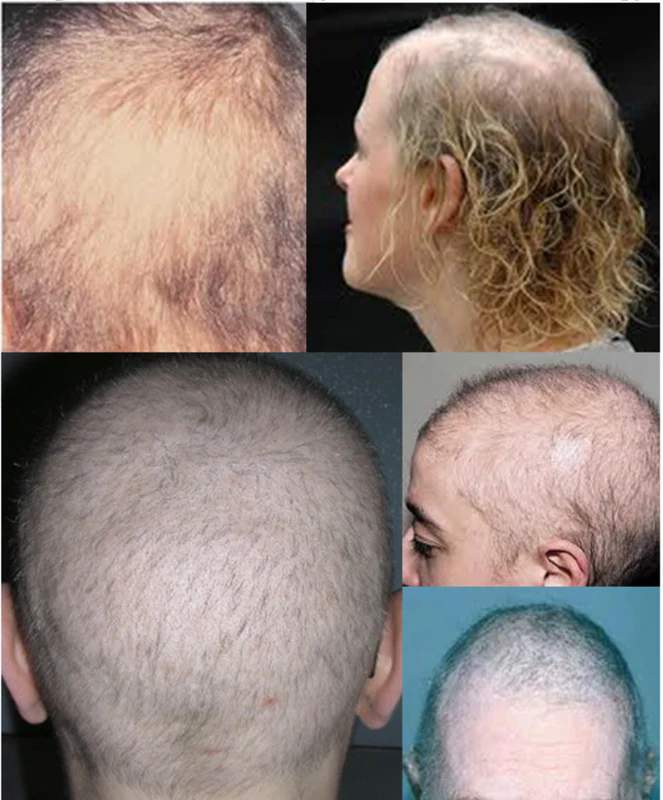
Telogenic hair loss (telogen effluvium)
This is most often a temporary hair loss condition triggered by physical or emotional stress, causing hair to fall out during the resting phase.
Examples of such stressors:
-
pregnancy and childbirth
-
severe illness
-
surgery
-
strong emotional stress
-
weight loss
-
iron deficiency
-
certain medications
-
endocrine system disorders
Treatment for telogenic hair loss is similar to that for anagenic hair loss. It’s important to identify and eliminate the underlying cause. After that, hair usually regrows on its own.
General recommendations:
-
maintain a balanced diet
-
get tested for thyroid function
-
if deficiencies are found, take iron, folic acid, and vitamin B12 supplements
-
be gentle when combing hair, avoid pulling or harsh scalp massage
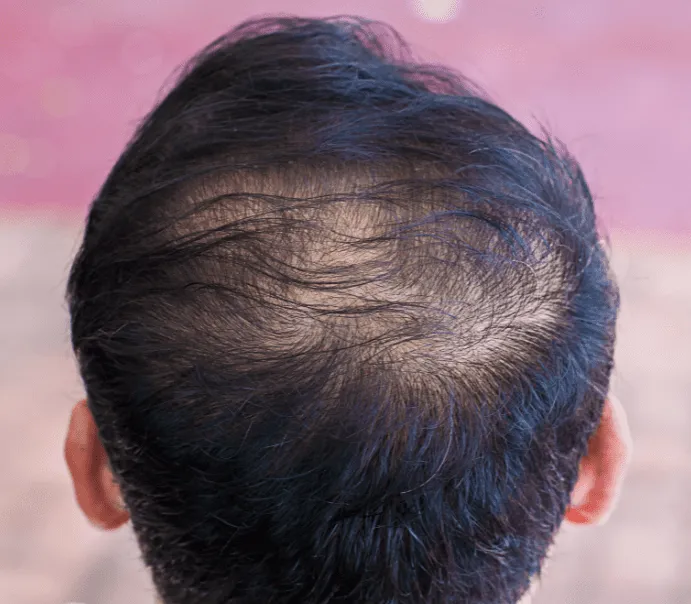
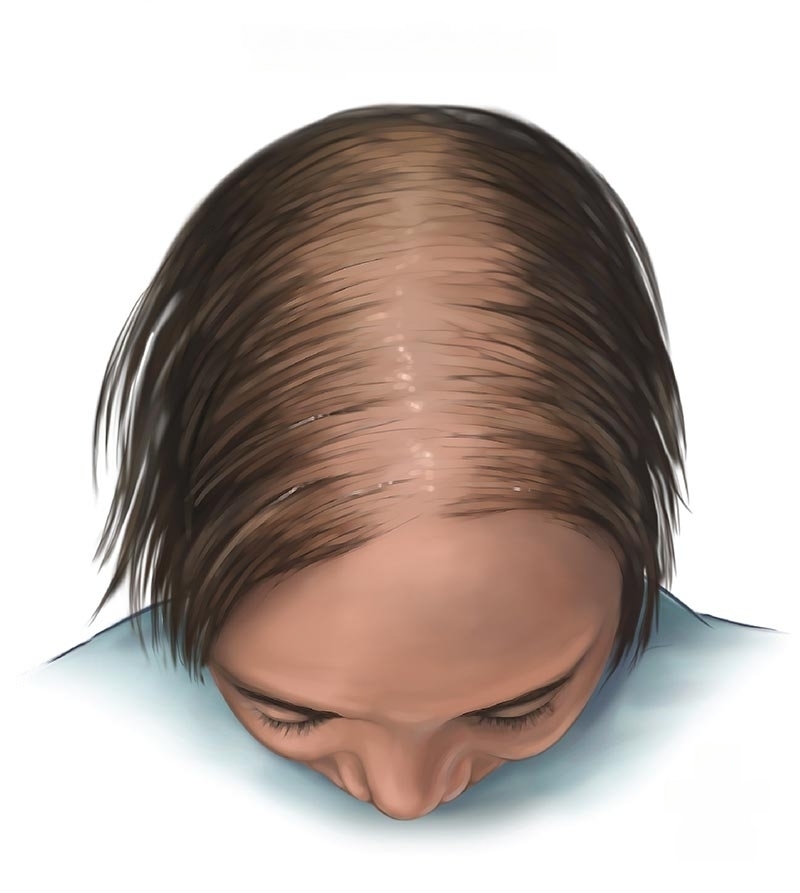
Androgenic hair loss
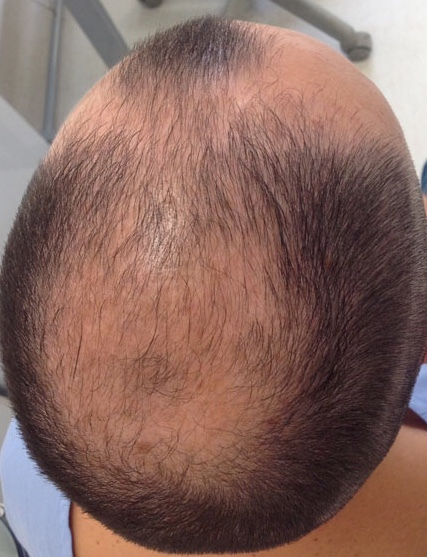
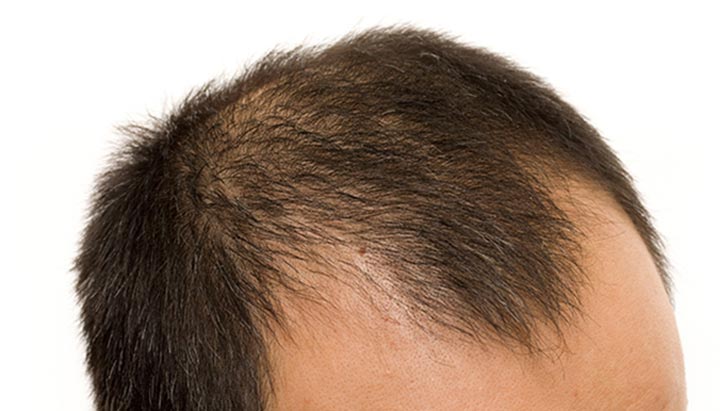
Androgenic hair loss is a distinct type of hair thinning, affecting both men and women, and is caused by imbalances in sex hormones (increased stimulation of androgen receptors).
Treatment options may include two medications:
-
a prescription medication that can slow hair loss – a topical solution applied to the scalp, used to stimulate the transition of hair into the growth (anagen) phase
-
a prescription medication that can slow hair loss – oral tablets, strictly for men
Treatment is typically prescribed for 4–6 months until the desired effect becomes visible.
Hair transplantation
It is also important to mention the most advanced, but usually last-resort, method of treating hair loss – hair transplantation. This method is not suitable if hair loss is caused by chemotherapy or other toxic agents, or if the patient tends to develop keloid scars. Before the procedure, the doctor evaluates whether the surgery is appropriate in the specific case and discusses possible complications.
If you notice more hair falling out than usual, it is advisable to consult a dermatologist. During the consultation, the doctor will determine the type of hair loss, identify possible causes, and prescribe the most effective treatment.