Dermatomyositis is a rare but serious autoimmune disease that affects not only the muscles but also the skin. In many cases, skin symptoms appear before muscle weakness, making early recognition crucial for diagnosis and treatment.
What Is It?
Dermatomyositis is a chronic systemic inflammatory disease of the connective tissue, characterized by muscle weakness and distinctive skin changes. It can occur at any age but is most commonly diagnosed in women aged 40–60 and in children (juvenile dermatomyositis).
Skin Involvement: Key Symptoms
In dermatomyositis, skin symptoms often precede muscular symptoms. The most characteristic skin signs include:
-
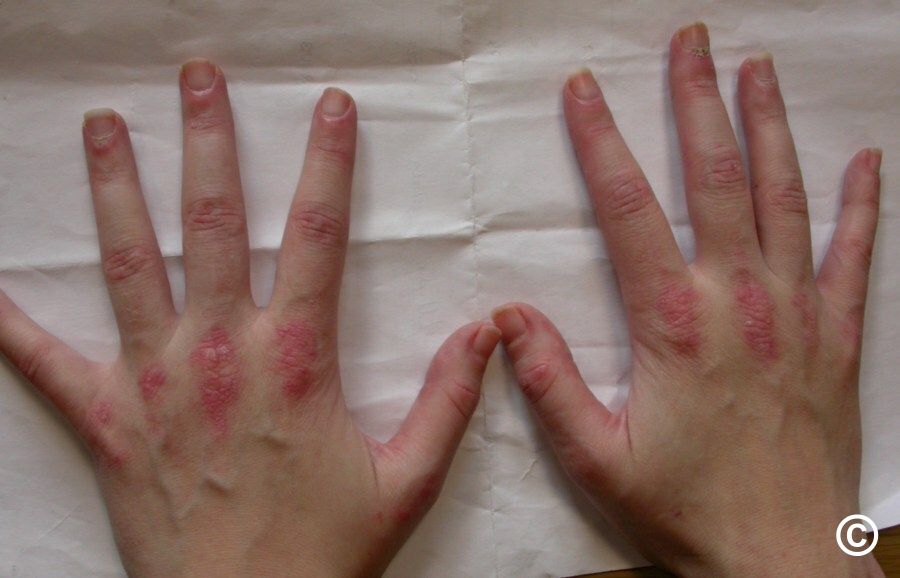
Gottron’s papules: reddish-purple or violet flat-topped bumps over finger joints and other small joints
-
Heliotrope rash: bluish-violet or purplish discoloration and swelling around the eyes
-
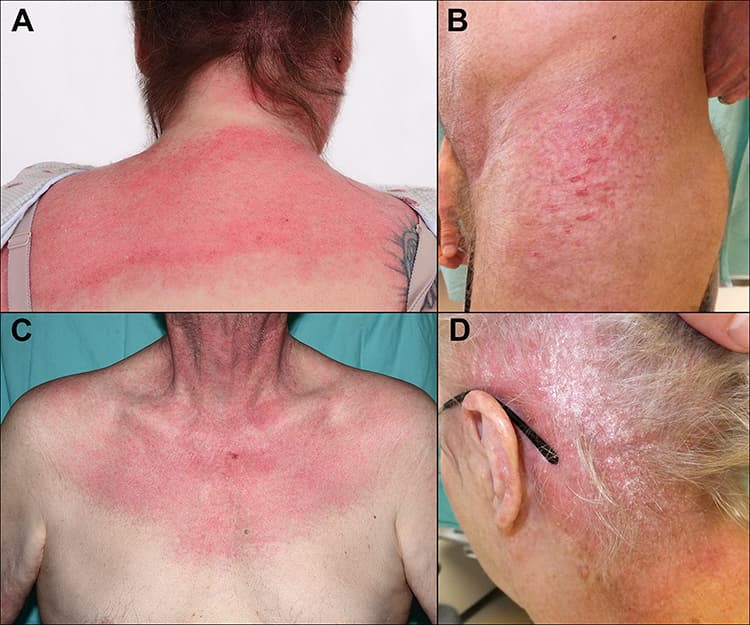
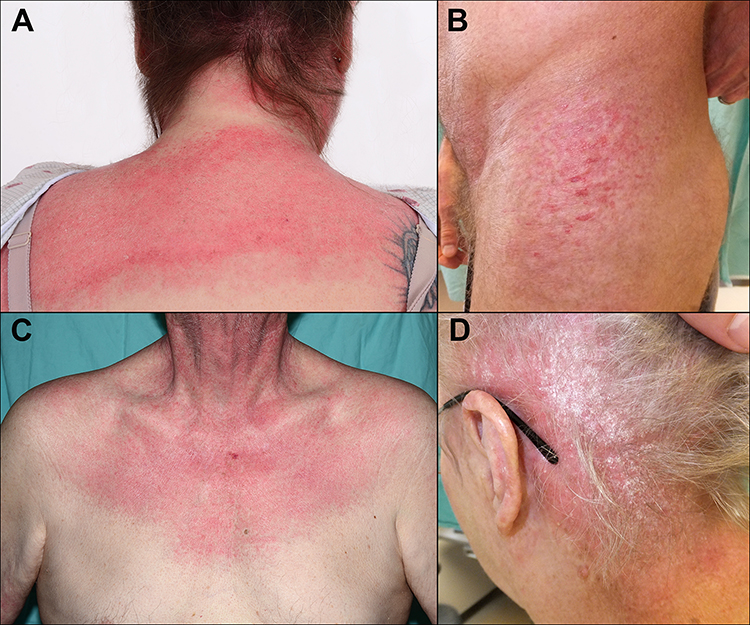
“Shawl sign” or “V-sign”: redness over the upper back, chest, or neck area resembling sunburn
-
Hand involvement: rough, cracked skin on the sides of fingers, painful cuticles, and capillary changes around the nails
-
Photosensitivity: rashes become worse after sun exposure
Other Systemic Symptoms
Beyond the skin, dermatomyositis can affect various internal organs and systems:
-
Muscle weakness, especially in the shoulders and hips
-
Joint pain
-
Fever and unexplained weight loss
-
Lung, heart, or esophageal involvement in more advanced cases
-
⚠️ Important: Dermatomyositis may sometimes be associated with underlying malignancies, so thorough diagnostic evaluation is essential.
When to See a Doctor?
You should consult a doctor if you notice:
-
Persistent fatigue and unexplained muscle weakness
-
Unusual skin rashes (especially around the eyes, on fingers, or neck)
-
Skin symptoms that worsen with sun exposure
-
Weight loss or fever without a clear cause
Diagnosis
Diagnosing dermatomyositis involves several steps:
-
Clinical evaluation of skin and muscle symptoms
-
Blood tests (to assess muscle enzymes like creatine phosphokinase [CPK], aldolase, and autoantibodies)
-
Trichoscopy or dermatoscopy (to examine capillary changes and skin structures)
-
Muscle biopsy (to confirm the diagnosis)
-
Additional tests: Electromyography (EMG), chest CT, and screening for internal organ involvement
Treatment Options
Treatment is individualized and comprehensive, often involving:
-
Corticosteroids to reduce inflammation (prescribed and monitored by a specialist)
-
Immunosuppressive medicines that calm the overactive immune response (prescribed and monitored by a specialist)
-
Biologic therapies (for resistant or severe cases)
-
Physical therapy to maintain or restore muscle function
-
Topical creams or ointments prescribed by a dermatologist for skin symptoms
Skin Care and Prevention
Because dermatomyositis-related skin symptoms are highly sensitive to UV exposure, it’s important to:
-
Avoid direct sunlight whenever possible
-
Use high SPF sunscreen (broad-spectrum SPF 50+) daily
-
Wear protective clothing outdoors
-
Apply soothing and moisturizing skincare products to reduce irritation
Conclusion
Dermatomyositis is a rare but serious autoimmune disease, and in many cases, the first warning signs appear on the skin. Early recognition of symptoms, along with prompt diagnosis and a multidisciplinary treatment approach, can significantly improve outcomes and prevent complications.
If you notice persistent rashes along with muscle weakness, don’t wait — seek medical advice.